BREAKING

Tuesday, April 11, 2023

Inutak: A Filipino Dessert from my childhood


Wazzup Pilipinas!?


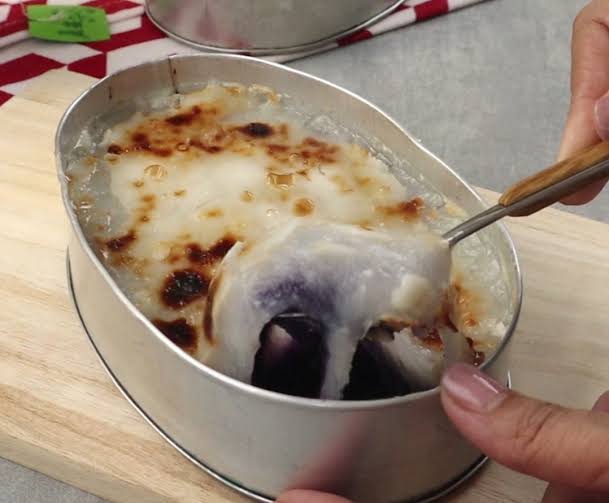
Inutak, also known as "binut-ong" in some regions, is a traditional Filipino dessert made from glutinous rice and coconut milk. It is a type of "kakanin" or rice cake that is popular in the Philippines, particularly in the provinces of Bicol and Quezon.

The name "inutak" actually translates to "brain" in English, which is a reference to the dessert's creamy and textured appearance. It is said that the name was given because of the way the dessert's layers resemble the convoluted folds of the brain.

Pateros and Taguig, two neighboring cities in Metro Manila, are famous for their versions of Inutak.

Pateros Inutak is known for its creamy and smooth texture. It is made by mixing glutinous rice flour, coconut milk, sugar, and ube. The mixture is then cooked slowly over low heat until it thickens and forms a sticky, dough-like consistency. It is then transferred to a banana leaf-lined baking pan and topped with a layer of grated coconut before being steamed until fully cooked. Pateros Inutak has a pale purple color due to the ube and a slightly sweet taste that is perfect for dessert.

On the other hand, Taguig Inutak has a darker color and a coarser texture. It is made using the same ingredients as Pateros Inutak but is mixed with cassava, giving it a grainier texture. It is also cooked over low heat until it thickens and forms a sticky dough. The mixture is then transferred to a coconut shell-lined baking pan and baked until the top is golden brown. Taguig Inutak has a distinct coconut flavor and a slightly sweeter taste than Pateros Inutak.

In both Pateros and Taguig, Inutak is often served as a dessert during special occasions or celebrations. It can also be found in local markets and street vendors throughout the year. The popularity of Inutak has also spread to other parts of the Philippines, with many variations being created using different ingredients and cooking methods.

Inutak is a unique and delicious Filipino dessert that represents the creativity and ingenuity of Filipino cuisine. The versions of Inutak from Pateros and Taguig are both worth trying for their distinct flavors and textures.


Ingredients

The ingredients for inutak are relatively simple and easy to find, as they are commonly used in Filipino cuisine. They include:Glutinous rice
Coconut milk
Sugar
Water
Pandan leaves (optional)

Some variations of the recipe may also call for toppings such as latik (cooked coconut cream) or grated coconut.


Preparation

Making inutak is a multi-step process that requires several hours of preparation and cooking time. Here is a general overview of the steps involved:

Soak the glutinous rice in water for at least two hours to soften it.


Drain the water and rinse the rice thoroughly.


In a pot, combine the rice, coconut milk, sugar, and water. Add pandan leaves if desired for flavor and aroma.


Cook the mixture over medium heat, stirring constantly, until the rice is fully cooked and the mixture has thickened to a pudding-like consistency.


Pour the mixture into a baking dish or banana leaves-lined bamboo container. Use a spoon or spatula to spread the mixture evenly.


Bake the mixture in the oven or over hot coals until the top is slightly golden and the mixture has set.


Once the inutak has cooled, cut it into squares or rectangles and serve with toppings if desired.


Variations

Inutak can be made in many different ways to suit personal tastes and preferences. Some variations include:Adding mashed ube (purple yam) to the mixture for a unique flavor and color.

Using different types of rice, such as black glutinous rice, for a more colorful dessert.
Adding fruits such as jackfruit or langka for additional flavor and texture.


Health Benefits

While inutak is certainly a delicious dessert, it is not exactly a health food. It is high in carbohydrates and sugar, which can be problematic for those with diabetes or blood sugar issues. However, coconut milk does contain some healthy fats and nutrients, including medium-chain triglycerides and lauric acid.


Conclusion

Inutak is a delicious and unique Filipino dessert that is popular in certain regions of the country. While it may not be the healthiest food option, it is certainly a treat that can be enjoyed in moderation. Whether you make it at home or try it at a local restaurant, inutak is sure to delight your taste buds with its creamy texture and sweet flavor.


Sorbetes: The "Dirty Ice Cream" of the of the Philippines


Wazzup Pilipinas!?


Sorbetes, commonly known as "dirty ice cream," is a popular frozen dessert in the Philippines. It is a type of ice cream that is made with coconut milk, cassava flour, and sugar. The name "dirty ice cream" came from the fact that it is often sold by street vendors in unhygienic conditions. Despite this, it remains a beloved dessert among Filipinos.


Origins of Sorbetes

Sorbetes has been a part of Filipino culture since the Spanish colonial period. It was introduced by the Spaniards, who brought their ice cream-making techniques to the Philippines. The Filipinos then adapted the recipe and added their own unique twist to it, using coconut milk as a base instead of cream or milk.


Ingredients and Preparation

The ingredients used in sorbetes include coconut milk, cassava flour, sugar, and flavorings such as ube (purple yam), mango, or chocolate. The coconut milk gives sorbetes a distinct taste and texture that sets it apart from regular ice cream.

To make sorbetes, the ingredients are mixed together and cooked over low heat until the mixture thickens. It is then chilled before being churned in an ice cream maker or by hand. The churning process helps to incorporate air into the mixture, giving sorbetes its smooth and creamy texture.

Sorbetes is often served in small plastic cups or cones, and it can be topped with various toppings such as nuts, sprinkles, or chocolate chips.


Popularity of Sorbetes

Sorbetes is a popular dessert in the Philippines, especially during the summer months when the weather is hot and humid. It is commonly sold by street vendors, who often ride around on bicycles with a cart attached to the back. The vendors typically shout "sorbetes!" or ring a bell to alert customers of their presence.

Despite being called "dirty ice cream," sorbetes is a beloved dessert among Filipinos. It is often seen as a symbol of Filipino culture and tradition, and many people have fond childhood memories of eating it with friends and family.


Variations of Sorbetes

There are many variations of sorbetes, each with its own unique flavor and texture. Some popular variations include ube (purple yam), mango, and chocolate. Other flavors such as avocado, jackfruit, and corn are also available in some areas.

In recent years, there has been a trend towards incorporating more modern flavors into sorbetes, such as salted caramel, matcha, and mocha.


Health Considerations

Sorbetes is a high-calorie dessert, and it should be consumed in moderation. It is also important to consider the hygiene and safety of street vendors when purchasing sorbetes from them. If possible, it is recommended to buy sorbetes from reputable establishments with good hygiene practices.

Despite its unhygienic reputation, sorbetes remains a beloved dessert among Filipinos, and it is seen as a symbol of Filipino culture and tradition. With its unique taste and texture, sorbetes is a dessert that is sure to please anyone with a sweet tooth.


How has sorbetes evolved throughout the years


Sorbetes has undergone several changes and improvements throughout the years. Here are some of the ways that sorbetes has evolved:

Ingredients - Sorbetes traditionally uses coconut milk, cassava flour, and sugar as its main ingredients. However, over the years, some vendors have started using cheaper alternatives, such as cornstarch or flour, which can affect the texture and taste of the ice cream. Some vendors have also started using artificial flavorings and food coloring instead of using fresh fruits or natural ingredients.


Flavors - Sorbetes has evolved to include new and modern flavors, such as matcha, salted caramel, and strawberry. This allows vendors to appeal to a wider range of customers and cater to changing tastes.


Packaging - Sorbetes used to be served in small cups or cones, but now it can be found in a variety of packaging such as cups, cones, and even tubs. This allows customers to purchase larger amounts and enjoy sorbetes at home.


Hygiene - In the past, sorbetes was often sold by street vendors in unhygienic conditions, which earned it the nickname "dirty ice cream." However, in recent years, vendors have started to implement more hygienic practices, such as using gloves and hand sanitizers, to improve the safety and quality of their products.


Technology - Sorbetes used to be made using manual churns, which required a lot of physical effort and time. However, with the introduction of modern technology, such as electric churns and freezers, vendors are now able to make sorbetes more efficiently and in larger quantities.

Overall, sorbetes has evolved and adapted to changing times and tastes. Despite these changes, it remains a beloved dessert among Filipinos, and its popularity shows no signs of waning.

How much is sorbetes now


The price of sorbetes can vary depending on the location and the vendor. In general, a small cup or cone of sorbetes can cost anywhere from PHP 10 to PHP 20 (approximately $0.20 to $0.40 USD), while a larger serving or a tub of sorbetes can cost anywhere from PHP 50 to PHP 100 (approximately $1 to $2 USD).

However, it's important to note that the price of sorbetes may also depend on the type of ingredients used. Some vendors may charge more for sorbetes made with higher quality ingredients, such as fresh fruits or natural flavorings. Additionally, some vendors may offer discounts or promotions during certain times of the year, such as during the summer months when demand for cold desserts is high.


Why are there less sorbetes vendors selling on the streets now


There are several reasons why there are less sorbetes vendors selling on the streets now:

Competition - Sorbetes vendors face stiff competition from other dessert businesses, such as fast food chains and ice cream shops. These businesses have the advantage of being able to offer a wider range of flavors and packaging options, as well as having more modern and convenient locations.


Health Concerns - Many customers are becoming more health-conscious and are wary of buying food from street vendors due to concerns about hygiene and safety. This has led to a decline in the number of sorbetes vendors selling on the streets.


Urbanization - The rapid urbanization of many cities in the Philippines has resulted in the displacement of many sorbetes vendors. Many of the areas where vendors used to sell sorbetes have been developed into commercial or residential areas, leaving vendors with fewer places to sell their products.


Cost of Ingredients - The cost of ingredients used in sorbetes, such as coconut milk and sugar, has increased over the years. This has led to higher production costs for sorbetes vendors, making it more difficult for them to make a profit.


Weather - The weather can also affect the demand for sorbetes. During the rainy season, there is usually less demand for cold desserts like sorbetes, which can make it difficult for vendors to make a profit.

Overall, the decline in the number of sorbetes vendors selling on the streets can be attributed to a combination of factors such as competition, health concerns, urbanization, cost of ingredients, and weather. However, sorbetes remains a beloved dessert among Filipinos, and many vendors continue to sell it in local markets and other areas where it is still in demand.


Overall, sorbetes remains an affordable and popular dessert among Filipinos, and its price remains accessible for most people.


Taho: A Well-loved Filipino Delicacy


Wazzup Pilipinas!?


Taho is a popular Filipino snack made from tofu, arnibal (syrup made from brown sugar), and sago pearls (tapioca balls). It is a beloved treat enjoyed by both locals and tourists alike, and can be found in many street food vendors and markets in the Philippines.

History of Taho Taho has been a staple in Philippine cuisine for centuries. The exact origin of the snack is unclear, but it is believed to have originated from China and was introduced to the Philippines during the Spanish colonial period. The Chinese called it doufu hua, which means "bean curd flower," and it was initially made with soy milk and served as a dessert.

Over time, Filipinos adapted the recipe to suit their tastes, and taho was born. Today, taho is a ubiquitous snack in the Philippines, and many vendors sell it in large buckets or carts, typically in the morning or early afternoon.

Making Taho Taho is made by first cooking the sago pearls until they are tender, then mixing them with the arnibal syrup, which is made by boiling brown sugar and water until it becomes thick and syrupy. The tofu is then cut into small cubes and added to the mixture.

Traditionally, the tofu used in taho is made from soybeans, but some vendors may use a combination of soy and mung beans to create a firmer texture. The tofu is usually made fresh daily to ensure its quality.

Once the ingredients are mixed, the taho is ready to be served. It is typically served warm in small plastic cups, with a scoop of sago pearls and a drizzle of the arnibal syrup on top.

Nutritional Benefits of Taho Taho is a relatively healthy snack, as it is low in fat and high in protein. Tofu is an excellent source of protein, calcium, and iron, making it an ideal food for vegetarians and vegans. Sago pearls, on the other hand, are a good source of carbohydrates and dietary fiber.

However, taho is also high in sugar, as the arnibal syrup is made from brown sugar. As with any sweet snack, it should be consumed in moderation.

Taho in Filipino Culture Taho has become more than just a popular snack in the Philippines; it has become a cultural icon. It is a symbol of Filipino hospitality, as many vendors offer taho to their neighbors and friends. It is also a symbol of Filipino resilience, as taho vendors are a common sight in areas affected by natural disasters or during economic downturns.

In addition, taho has also been the subject of several Filipino songs and poems, and has even been referenced in movies and television shows.

Conclusion Taho is a beloved snack in the Philippines, and its popularity continues to grow. Its simple recipe and affordable price make it accessible to everyone, and its nutritional benefits make it a healthy snack option. Taho is more than just a snack; it is a cultural icon that represents Filipino hospitality, resilience, and creativity.

Taho has evolved over the years with the addition of different flavors. Among these flavors are the strawberry and ube taho, which have gained popularity among taho lovers in the Philippines.

Strawberry Taho Strawberry taho is made by adding a strawberry syrup or puree to the arnibal syrup, giving it a sweet and fruity taste. The tofu used in this variation is the same as the traditional taho, and the sago pearls are also included.

Strawberry taho has become a hit among those who prefer a sweeter and fruitier version of taho. The strawberry flavor complements the creamy texture of the tofu, making it a refreshing and satisfying snack. It is also a healthier alternative to other sweet treats, as strawberries are known for their high vitamin C and antioxidant content.

Ube Taho Ube taho, on the other hand, is made by adding ube (purple yam) flavoring to the arnibal syrup. The ube flavor gives the taho a distinct purple color, which makes it visually appealing. The tofu used in this variation is typically firmer than the traditional taho, as the ube flavoring can sometimes make the mixture more liquid.

Ube is a popular ingredient in Filipino desserts, and its addition to taho has made it a unique and sought-after snack. The combination of the sweet ube flavor and the creamy texture of the tofu makes for a delicious and satisfying treat. Ube is also known for its high nutritional value, as it is a good source of fiber, potassium, and vitamin C.

Conclusion The addition of strawberry and ube flavors to taho has elevated the snack to a whole new level. These variations offer a sweet and fruity twist to the traditional taho, making it a more enjoyable snack for those who prefer a sweeter taste. The nutritional benefits of these flavors also make them a healthier option for those looking for a guilt-free indulgence. Whether you prefer the classic taho or the newer variations, one thing is for sure: taho will always be a beloved snack in the Philippines.


What could be the other possible variants and flavors of taho


Taho is a versatile snack, and there are many possible variants and flavors that can be created with different ingredients. Here are some other possible variants and flavors of taho:

Mango Taho: Mango taho is made by adding mango puree or syrup to the arnibal syrup. The sweet and tangy taste of mango complements the creamy texture of the tofu, making it a delicious and refreshing snack.

Chocolate Taho: Chocolate taho is made by adding cocoa powder or chocolate syrup to the arnibal syrup. The chocolate flavor pairs well with the creamy texture of the tofu, making it a decadent and indulgent treat.

Pandan Taho: Pandan taho is made by adding pandan flavoring to the arnibal syrup. Pandan is a fragrant herb commonly used in Filipino desserts, and its addition to taho gives it a unique and refreshing taste.

Matcha Taho: Matcha taho is made by adding matcha powder or green tea syrup to the arnibal syrup. Matcha is a popular Japanese ingredient that is known for its health benefits, and its addition to taho gives it a distinctive and slightly bitter taste.

Milo Taho: Milo taho is made by adding Milo powder or chocolate malt syrup to the arnibal syrup. Milo is a popular chocolate malt drink in the Philippines, and its addition to taho gives it a sweet and chocolatey taste.

These are just a few possible variants and flavors of taho, and there are countless other combinations that can be created with different ingredients. The versatility of taho makes it a snack that can be enjoyed in many different ways, and its popularity continues to grow in the Philippines and beyond.


The price of taho in the Philippines varies depending on the location and the vendor. In Metro Manila, the typical price range for a small cup of taho is around Php 10 to Php 20 (approximately $0.20 to $0.40 USD), while a large cup can cost anywhere from Php 20 to Php 30 (approximately $0.40 to $0.60 USD). However, the price may be higher or lower in other provinces or regions of the country.

The price of taho may also vary depending on the availability of the ingredients and the production costs of the vendor. Some vendors may offer different variants of taho or additional toppings like syrup, fruits, or nuts, which can affect the price.

It's worth noting that taho is a popular and affordable snack in the Philippines, and it is often sold by street vendors or in small food stalls in markets and public areas. The accessibility and affordability of taho make it a beloved snack among Filipinos of all ages.


Ang Pambansang Blog ng Pilipinas Wazzup Pilipinas and the Umalohokans. Ang Pambansang Blog ng Pilipinas celebrating 10th year of online presence
 
Copyright © 2013 Wazzup Pilipinas News and Events
Design by FBTemplates | BTT
